How Long Should Furniture Last?
Updated 7/29/2026
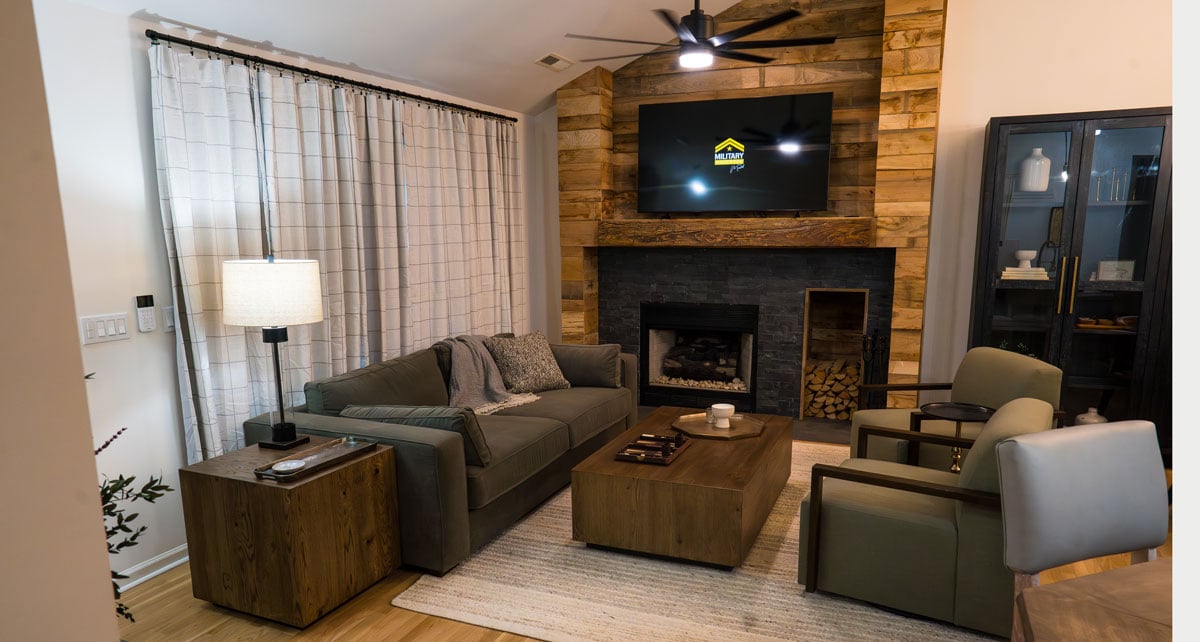
Furniture is not meant to be temporary. The pieces you bring into your home should support daily life, reflect your personal style, and remain comfortable and functional over time.
So when people ask how long furniture should last, the better question is what it was designed to do in the first place.
Furniture built with care, quality materials, and thoughtful design is meant to be lived with for years. While no piece lasts forever, well-crafted furniture should continue to perform and feel right in your home long after trends have changed.
What Determines How Long Furniture Lasts
At Bassett, longevity begins with how furniture is made. Materials, construction, and design all work together to determine how a piece performs over time.
Materials set the foundation. Solid wood, quality upholstery, and carefully selected leathers respond differently to daily use than lower-grade alternatives. These materials are chosen for how they hold up over years of use, not just how they look initially. If you are considering leather for your home, our guide to leather furniture explores how leather ages, what affects durability, and what to expect over time.
Construction is equally important. Reinforced frames, durable joinery, and attention to detail in every layer of the piece all contribute to long-term performance. These elements are not always visible, but they shape how furniture holds its structure and comfort.
How furniture fits your life also matters. Pieces that are designed for the way you actually live tend to wear more evenly and remain comfortable longer. Furniture that is out of scale or not suited to its purpose often shows signs of wear much sooner.
When these elements come together, furniture is more likely to maintain its comfort, structure, and appearance through years of regular use.
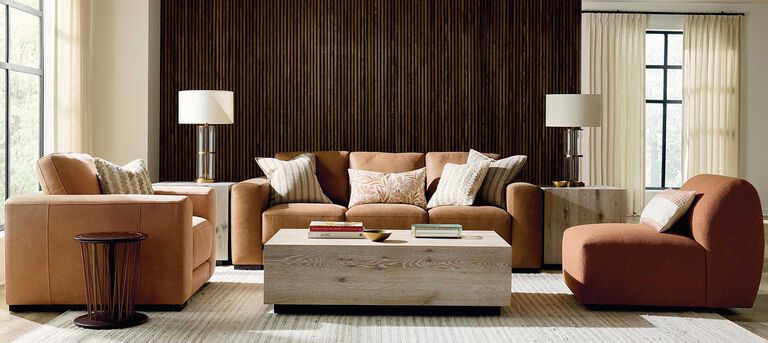
Living Room Furniture Is Built for Daily Use
Living room furniture is used more than any other category in the home, which is why many homeowners ask how long living room furniture should last.
Because of this, it should be built to handle consistent use without losing its comfort or structure. Over time, the first changes are usually felt rather than seen. Cushions may soften, and fabrics may relax, but a well-built frame should continue providing reliable support. For homeowners looking to better understand what sets well-made seating apart from lower-quality alternatives, our guide to sofa quality explores the influence of comfort, construction, and long-term performance.
At Bassett, living room furniture is designed for daily use. Comfort is built into the structure, not treated as a surface detail. Pieces that are crafted this way tend to maintain their support and shape through years of regular use.
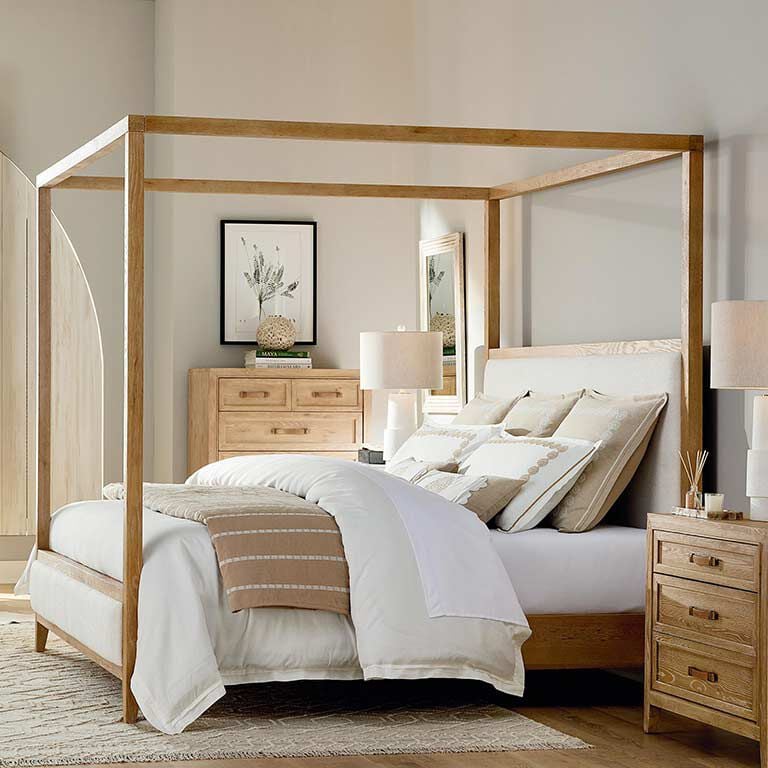
Bedroom Furniture and Long-Term Durability
Bedroom furniture often lasts longer because it typically experiences less daily wear than furniture in high-traffic living spaces.
Many people wonder how long bedroom furniture should last, but the answer often depends on materials and construction. Well-crafted pieces, particularly those made from solid wood, are designed to remain stable and functional over time. Drawers should continue to open smoothly, and frames should remain sturdy without shifting or loosening.
Changes in layout, storage needs, or personal style may influence when bedroom furniture is updated. In many cases, these pieces remain in good condition long after other areas of the home have been refreshed.
Why Leather Ages Differently Over Time
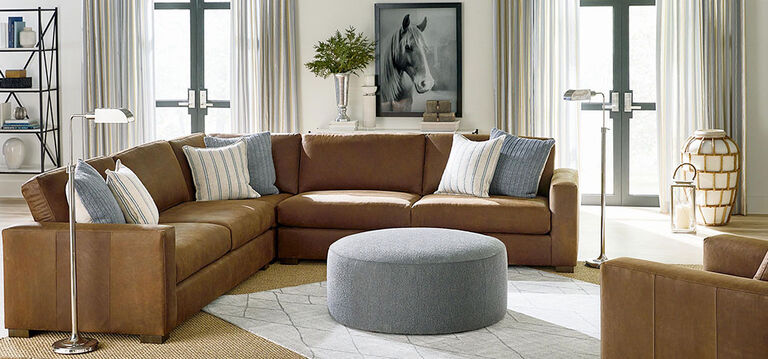
Leather is one of the few materials that can improve with time when it is properly selected and cared for, which is why many homeowners question how long leather furniture lasts.
High-quality leather does not simply wear down. It softens slightly, adapts to use, and develops variation in color and texture while maintaining its structure underneath.
At Bassett, leather is selected for both durability and feel. It is intended to remain comfortable while withstanding regular use, rather than breaking down prematurely. With consistent care, leather furniture can remain a long-term part of the home.
Understanding the Limits of Bonded Leather
Bonded leather offers the look of leather but is made differently, which affects how it performs over time. This is why questions about how long bonded leather furniture lasts often come up.
Bonded leather is made from leftover pieces of the hide, including dust and shavings, as well as PVC (plastic), nylon, or other materials. Bonded leather is created by rolling up various pieces of leather with a polyurethane or latex adhesive. It may be spray painted to look like full-grain or top-grain leather.
Bonded can be used for bookbinding, fashion accessories, and some furniture sets, but is not a 100% leather product.
Because it does not have the same structure as full leather, it may show wear more quickly, particularly in areas that see frequent use. Surface changes such as peeling or cracking can occur as the material breaks down; it also lacks uniform color and texture. Bonded leather is not breathable and often feels hotter or colder to the touch.
Understanding how materials perform helps set clear expectations. Choosing the right material for how a piece will be used can influence how long it remains comfortable and visually consistent.
The Lasting Value of Solid Wood Furniture
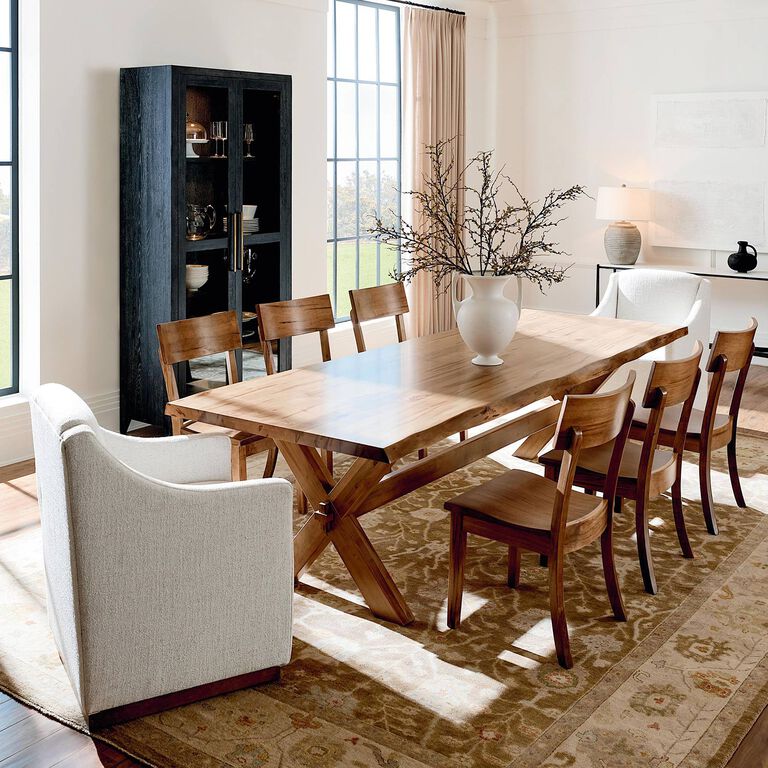
Wood furniture is often associated with long-term durability, particularly when it is made from solid wood. Many homeowners ask how long wood furniture lasts because of this reputation.
Pieces built this way are designed to maintain their structure over time. They can also be refinished or updated, which extends their usability as styles and spaces change.
At Bassett, wood furniture reflects a long tradition of American craftsmanship. Each piece is constructed with attention to how it will perform over the years of use. This allows wood furniture to remain in use for decades, even as a home’s layout or design preferences change.
Recognizing When It’s Time to Replace Furniture
Replacing furniture is rarely about reaching a specific year marker. In most homes, the decision comes down to how well a piece continues to support daily life, both functionally and visually.
A loss of comfort is often the first sign homeowners notice. Seating that no longer offers proper support can gradually change how often a room is used and enjoyed. Over time, cushions may lose their shape, surfaces may feel uneven, or materials may no longer provide the comfort they once did.
Visible wear can also become more noticeable with age, particularly when it begins to affect function rather than appearance alone. Worn upholstery, weakened finishes, or shifting frames can all impact how a piece performs within the space.
In some cases, replacement is connected to a lifestyle change rather than damage or wear. Moving into a new home, remodeling a room, or changing how a space functions often creates an opportunity to invest in furniture that better fits current needs and personal style.
Paying attention to these shifts can help you make thoughtful decisions about when it makes sense to replace furniture and when a well-crafted piece still has years of life ahead.
Choosing Furniture That Is Made to Last
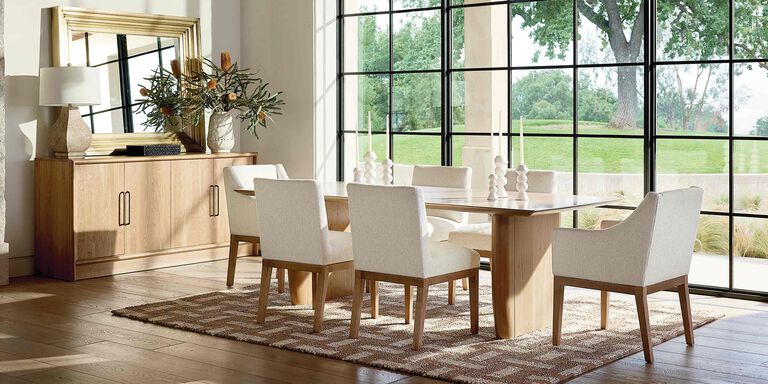
Furniture tends to last longer when it fits both your space and the way you live. Comfort, materials, size, and everyday function all play a role in how well a piece holds up over time.
At Bassett, customization helps make those decisions more personal. Through the True Custom® collection, customers can mix and match details such as fabrics, finishes, cushion comfort, arm styles, and configurations to fit the way they live. When furniture is designed around real daily life and personal preference, it's more likely to remain comfortable, functional, and loved for many years.
It also helps to think about how furniture will function within the room. A piece that fits the layout properly and supports the way you use the space is more likely to stay comfortable and useful over time.
When furniture is chosen thoughtfully, it often remains a natural part of the home for years to come.
Furniture That Feels Right For Your Home
The furniture you bring into your home should feel comfortable, functional, and easy to live with year after year. Choosing pieces that fit your style and daily routine helps create spaces that continue to work well as your needs evolve.
At Bassett, our collections are designed with that flexibility in mind. With a wide range of fabrics, finishes, and customization options, you can create furniture that feels personal to your home while maintaining the comfort and lasting quality you expect.
Explore furniture crafted with care and designed to support everyday living in a way that feels timeless and approachable.
Frequently Asked Questions
How long does furniture last on average?
Furniture lifespan depends on materials, construction, and use. Well-made pieces designed for everyday living can remain comfortable and functional for many years.
How long should living room furniture last?
Living room furniture is used frequently, so durability and support are key. Well-constructed pieces are designed to maintain their structure and comfort through regular use.
How long does bedroom furniture last?
Bedroom furniture often lasts longer because it experiences less wear. Pieces made from durable materials can remain in use for decades.
How long does leather furniture last?
High-quality leather can last for many years and often develops variation in appearance over time while maintaining its strength.
How long does bonded leather furniture last?
Bonded leather typically has a shorter lifespan than full leather and may show wear more quickly, especially in high-use areas.
How long does wood furniture last?
Solid wood furniture is designed for long-term durability and can last for decades, particularly when it is well constructed and maintained.
When should you replace furniture?
Furniture may need to be replaced when it no longer provides support, shows structural issues, or no longer fits how you use your space.
Leather vs Fabric Seating: Which Option Is Right for Your Home?
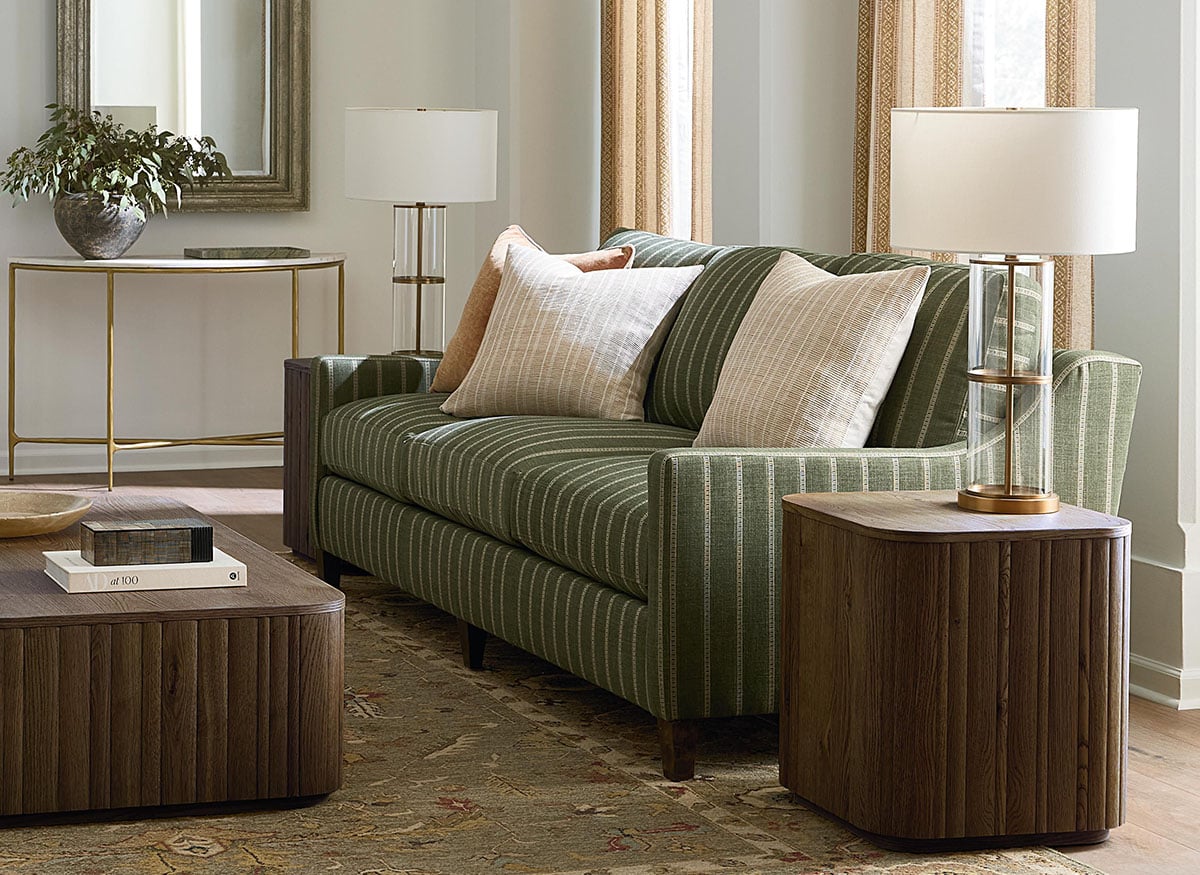
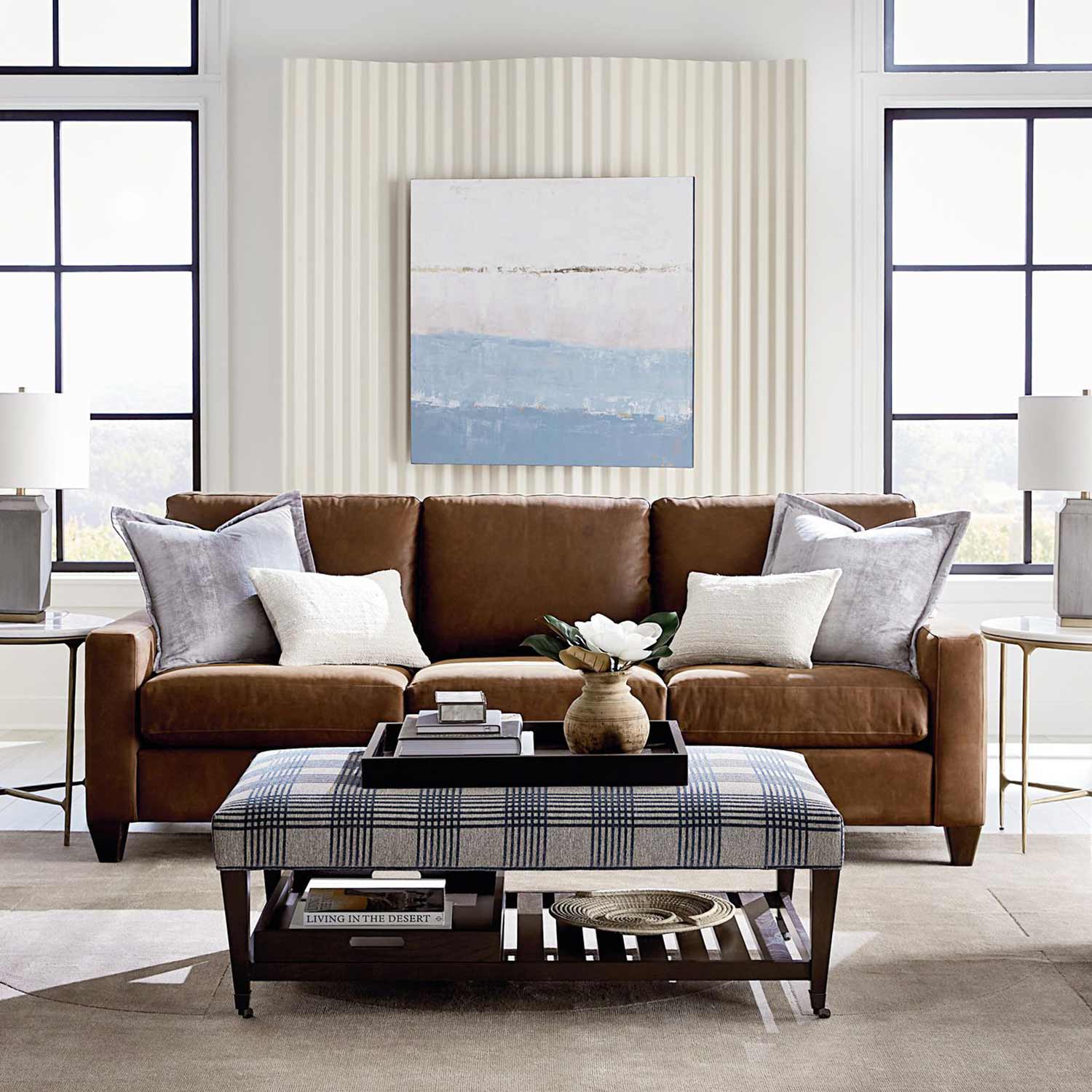
Choosing between leather and fabric is one of the most important decisions you will make when selecting seating for your home. The material shapes how the piece feels, how it wears over time, and how well it supports your day-to-day routine. At Bassett, we help customers explore material options with confidence, offering thoughtfully crafted pieces that can be customized to fit personal style and everyday needs. If you are exploring leather vs fabric sofa options, the right choice comes down to how you live and what you expect from your furniture over time.
Read more