Detailed Sofa Seat Depth Guide: Tips to Comfort & Fit
Updated 8/27/2026
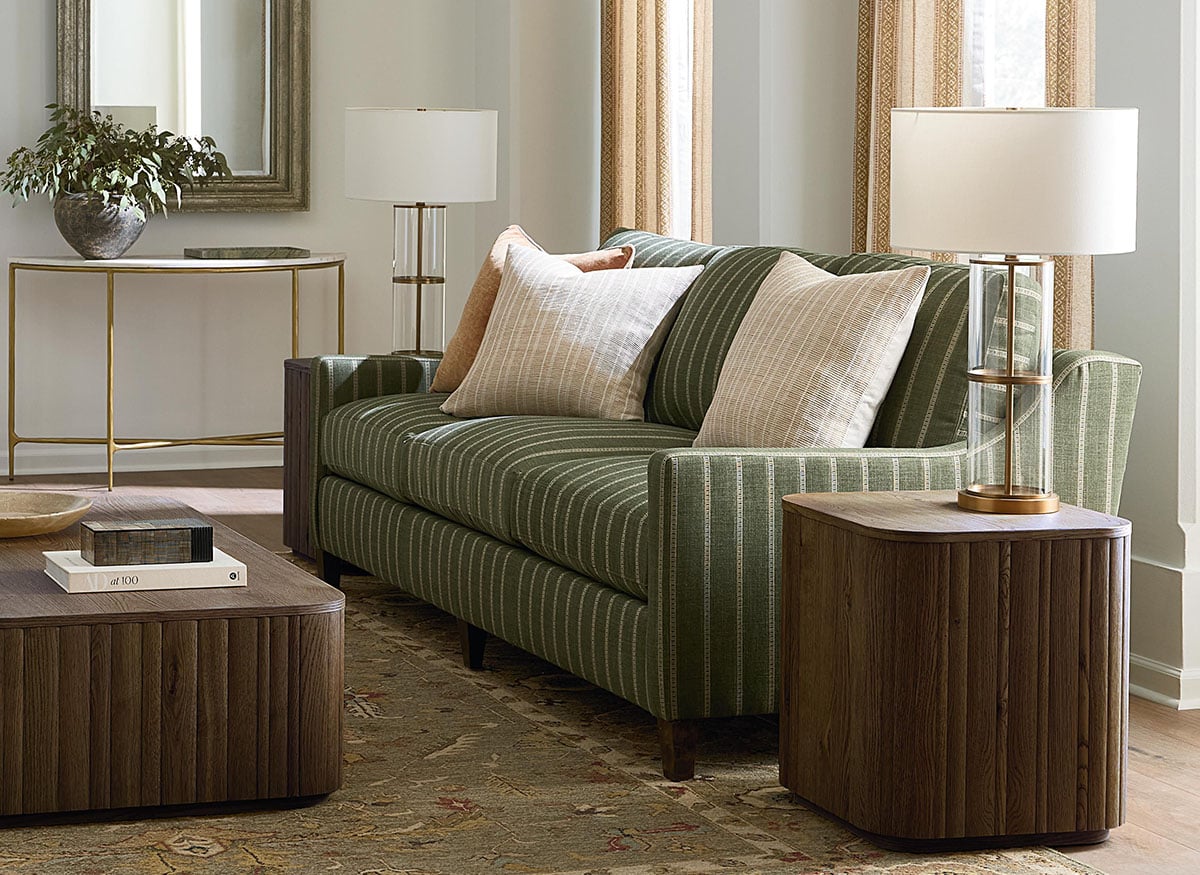
A beautiful living room begins with furniture that feels right. The fabric, silhouette, and finish all shape the look of a space, but comfort often comes down to details that are easy to overlook. One of the most important is sofa seat depth.
Seat depth affects how you sit, how supported you feel, and how naturally a sofa fits into the room. A deeper seat may feel relaxed and lounge worthy, while a shallower seat can feel more upright and tailored. The best choice depends on your height, your sitting style, the room layout, and how your household uses the space every day.
At Bassett, we think about comfort as part of the whole design. A sofa should suit the way you live, feel inviting over time, and bring balance to the room around it. This guide explains standard sofa depth and how to choose a fit that feels made for your home.
What Does Sofa Seat Depth Mean?
Sofa seat depth refers to the distance from the front edge of the seat cushion to the point where your back rests against the inside back cushion or frame. In simpler terms, it is the amount of sitting space available beneath you.
This measurement is different from standard sofa depth. Overall depth measures the full sofa from the very front to the very back, including the frame and back cushions. Sofa seat depth focuses only on the space where you sit.
Both measurements matter. Overall depth helps you understand how much room the sofa will take up in your living space. Seat depth helps you understand how the sofa will feel once you sit down.
For a broader look at width, height, and overall proportions, Bassett’s complete sofa dimensions guide can help you think through the full footprint of a sofa before choosing a style.
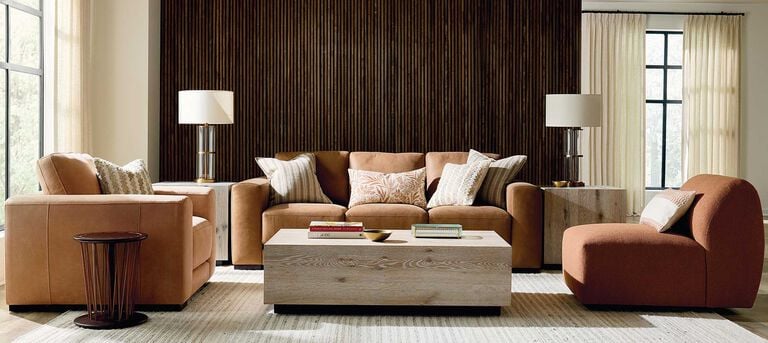
Why Sofa Seat Depth Matters for Comfort
Comfort is personal. Some people like to sit upright with their feet on the floor. Others prefer to tuck their legs up, stretch out, or settle into deeper cushions at the end of the day. Sofa seat depth influences all of those experiences.
A shallower seat usually feels more supportive for upright sitting. It can be a good fit for conversation areas, formal living rooms, or spaces where guests gather for shorter periods of time. A deeper seat often feels more relaxed. It gives you more room to lounge, curl up, or share the sofa comfortably with family.
The right depth should make sitting feel natural. Your back should feel supported, your legs should rest comfortably, and the sofa should match the way you prefer to use the room.
This is also where quality matters. Seat depth works together with cushion support, frame construction, and the overall design of the piece. Bassett’s guide on how sofa quality affects comfort offers more insight into the construction details that help seating feel comfortable and supportive over time.
What Is Standard Sofa Seat Depth?
The standard sofa seat depth often falls between 20 and 24 inches. This range works well for many homes because it offers enough room to sit comfortably without making the sofa feel overly deep.
A standard seat depth for a sofa, around 21 or 22 inches, can feel comfortable for more upright sitting. Depths closer to 23 or 24 inches may offer a slightly more relaxed feel while still working well for everyday use.
For those who prefer deep lounging, some sofas have seat depths of 25 inches or more. These styles can feel generous and inviting, especially in family rooms, media rooms, or larger living areas where comfort is the main priority.

The standard sofa depth, which refers to the full front-to-back measurement, is usually larger than seat depth. Many sofas have an overall depth of around 35 to 40 inches, depending on the style, cushion design, and frame. This full measurement matters when planning the layout of the room.
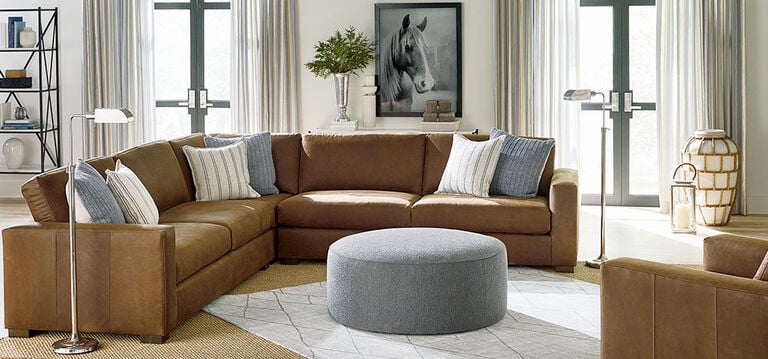
How Height Affects the Right Sofa Seat Depth
Your height plays an important role in finding the right sofa seat depth. A depth that feels perfect to one person may feel too deep or too shallow to another.
For shorter adults, a shallower seat may feel more comfortable because it allows the feet to rest naturally on the floor while the back stays supported. If the seat is too deep, the body may slide forward or require extra pillows for support.
For taller adults, deeper seating may feel more comfortable. A deeper cushion gives the legs more room and can prevent the sofa from feeling too compact. It can also create a more relaxed, generous sitting experience.
For households with people of different heights, a standard sofa seat depth can be a practical middle ground. Throw pillows can also help adjust the feel, adding support for those who prefer a slightly shallower sit.
Match Seat Depth to the Way You Sit
One of the best ways to choose the right sofa seat depth is to think about how you naturally sit at home.
If you tend to sit upright while reading, talking, or entertaining, a shallower or standard depth may feel best. It supports posture and makes it easier to get in and out of the seat. This type of seating often works beautifully in living rooms that are designed for conversation.
If you prefer to lounge, nap, watch movies, or sit with your legs tucked under you, deeper seating may feel more comfortable. A deeper sofa gives you room to relax into the piece and settle in for longer stretches of time.
Many homes benefit from seating that falls between the two. A standard seat depth for a sofa can offer flexibility, especially in rooms that serve more than one purpose. It can feel comfortable for guests while still giving family members enough room to relax.
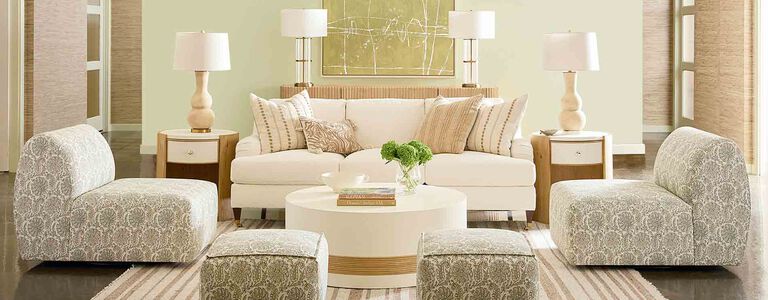
Think About the Style of the Room
The right sofa seat depth should also suit the atmosphere you want to create.
A formal sitting room may feel best with a more tailored sofa. A standard or slightly shallow seat can help the room feel polished and composed. It encourages upright sitting and creates a clean, refined look.
A family room or media room may call for a deeper sofa. In these spaces, comfort often takes priority, and the furniture should invite people to settle in. Deep seating can make the room feel warm, relaxed, and welcoming.
For open concept spaces, balance becomes especially important. The sofa may be visible from the kitchen, dining area, or entryway, so its depth and shape should complement the surrounding furniture. A well-scaled sofa helps the entire space feel connected.
Consider the Room Layout
Seat depth affects more than comfort. It also changes how the sofa sits within the room.
A deeper sofa extends farther into the space, which can influence walkways, coffee table placement, and the overall flow of the room. In a smaller living room, too much depth may make the space feel crowded. In a larger room, a sofa with more depth can help the seating arrangement feel grounded and substantial.
Before choosing a sofa, measure the area where it will go. Think about the path people take through the room. Leave enough space around the sofa for easy movement, especially near doorways, chairs, tables, and media consoles.
If you are planning a sectional, depth becomes even more important because the piece will take up more floor space. Bassett’s sectional planning tips can help you think through layout, room flow, and the best fit for larger seating arrangements.
Seat Depth Can Vary by Furniture Type
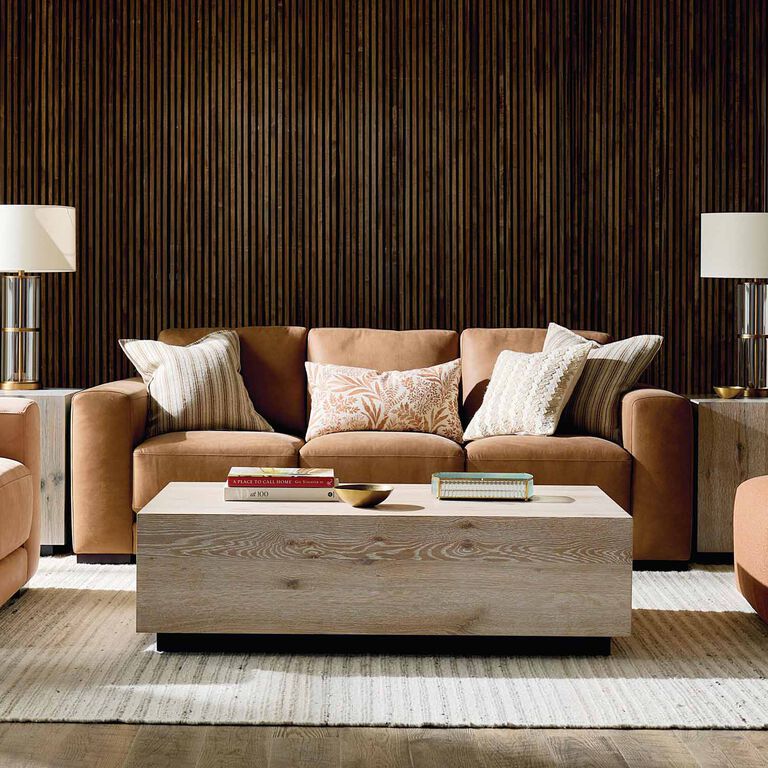
Sofas, sectionals, loveseats, and chairs can all have different seat depths. Even pieces within the same collection may feel slightly different depending on cushion style, back design, and overall proportions.
A loveseat may have a similar seat depth to a sofa, but its smaller width can change how it feels in the room. It may work beautifully in smaller spaces, sitting areas, or bedrooms where a full sofa would feel too large. For related guidance, Bassett’s loveseat sizing resource can help you compare proportions when planning a more compact seating arrangement.
Sectionals often offer deeper, more relaxed seating, especially when they include a chaise or lounge piece. Accent chairs may have a shallower seat, depending on whether they are designed for conversation, reading, or lounging.
This is why it helps to consider the full seating plan rather than one measurement in isolation. Sofa seat depth should work with the room, the other furniture, and the way people gather in the space.
How to Measure Sofa Seat Depth
Measuring sofa seat depth is simple, but it helps to know exactly where to place the tape measure.
Start at the front edge of the seat cushion. Measure straight back to the point where the seat meets the inside back cushion or frame. This number is the seat depth.
To understand how the sofa will fit in the room, also measure the full depth from the front of the sofa to the back. This is the standard sofa depth or overall depth. You will need this number when planning walkways, rug placement, side tables, and coffee table spacing.
It can also help to measure a sofa you already own and enjoy. If the current seat feels too shallow or too deep, use that as a reference point. A difference of just a few inches can change how a sofa feels.
Common Seat Depth Mistakes to Avoid
A common mistake is choosing a sofa based only on how it looks. A beautiful shape or fabric can draw you in, but the seat depth needs to support your comfort as well.
Another mistake is confusing overall depth with seat depth. A sofa may have a generous full depth because of its frame or back cushions, while the actual sitting area may feel more standard. Always look at both numbers when comparing pieces.
It is also easy to overlook the people who will use the sofa most. A very deep sofa may look inviting, but it may feel uncomfortable for someone who prefers more support. A shallow sofa may feel elegant, but it may feel restrictive for someone who loves to lounge.
The best choice is the one that respects both the room and the people who live in it.
Personalization Helps Create a Better Fit
A sofa should feel considered within the home. Seat depth is one part of that decision, but fabric, cushion feel, silhouette, arm style, and configuration all contribute to the final experience.
At Bassett, customization allows you to choose details that fit your space and personal style. You can explore fabrics, leathers, finishes, and seating options that help the room feel cohesive and comfortable.
This kind of choice matters because every home is different. A sofa for a quiet sitting room may call for a different depth and style than one chosen for a lively family space. A sofa for a smaller apartment may need a more compact profile, while a larger primary living room may welcome a deeper, more generous design.
The right piece should feel like it belongs in the room from the first day and continue to feel right over time
FAQs About Sofa Seat Depth
What is the standard seat depth for a sofa?
The standard seat depth for a sofa often depends on the style, but many fall near 21 to 23 inches. Deeper styles may be 25 inches or more for a more relaxed lounging feel.
What is the difference between standard sofa depth and seat depth?
Standard sofa depth measures the full sofa from front to back. Sofa seat depth measures only the sitting area, from the front of the cushion to the inside back of the sofa.
Is a deeper sofa seat more comfortable?
A deeper sofa seat can be more comfortable for lounging, taller adults, or relaxed family spaces. A shallower seat may feel better for upright sitting, shorter adults, or more formal rooms.
How do I know if a sofa seat is too deep?
A sofa seat may feel too deep if your feet do not rest comfortably on the floor or if your back does not feel supported without extra pillows. The right sofa seat depth should let you sit naturally.
What sofa seat depth is best for a small living room?
A standard or slightly shallower seat depth often works well in a small living room. It can provide comfort while helping the room feel open and easy to move through.
Find Seating That Feels Right at Home
The right sofa seat depth brings comfort, balance, and ease to your living space. It supports how you sit, how the room functions, and how the furniture feels as part of your everyday life.
At Bassett, our living room furniture is crafted with care and designed with options that help you create seating suited to your home. From standard silhouettes to deeper, more relaxed styles, you can choose the size, material, and configuration that feels right for your space.
Explore Bassett’s customizable living room furniture, view our sofa collection, or connect with a design expert for guidance in choosing seating made for comfort, style, and the way you live.
How Long Should Furniture Last?
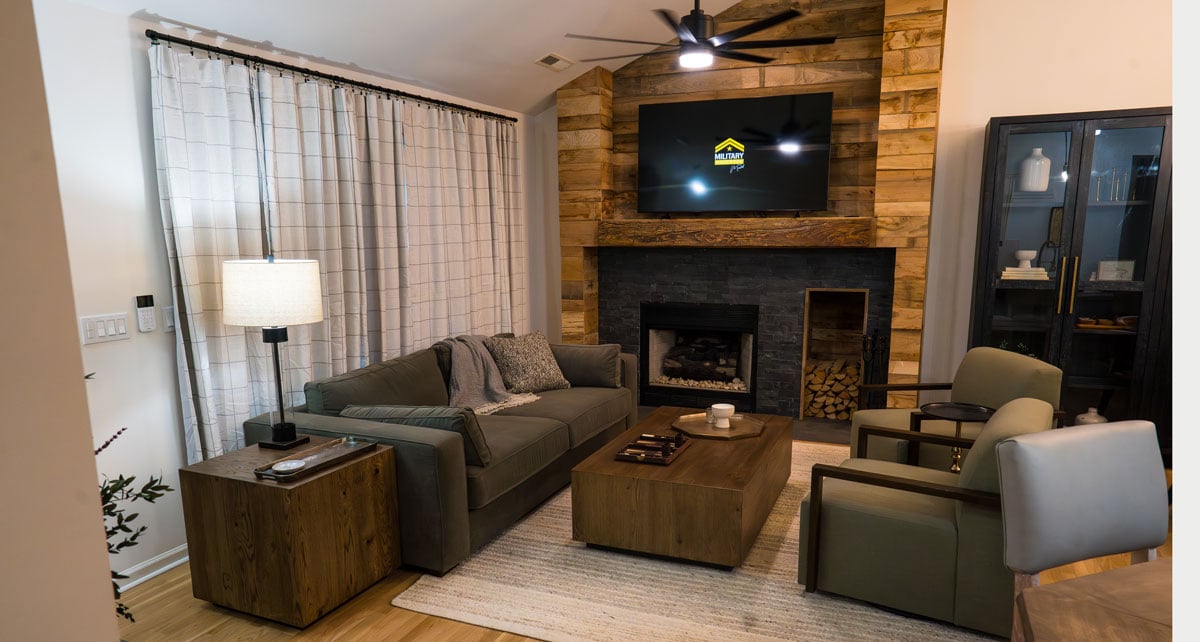
Furniture is not meant to be temporary. The pieces you bring into your home should support daily life, reflect your personal style, and remain comfortable and functional over time. So when people ask how long furniture should last, the better question is what it was designed to do in the first place.
Read more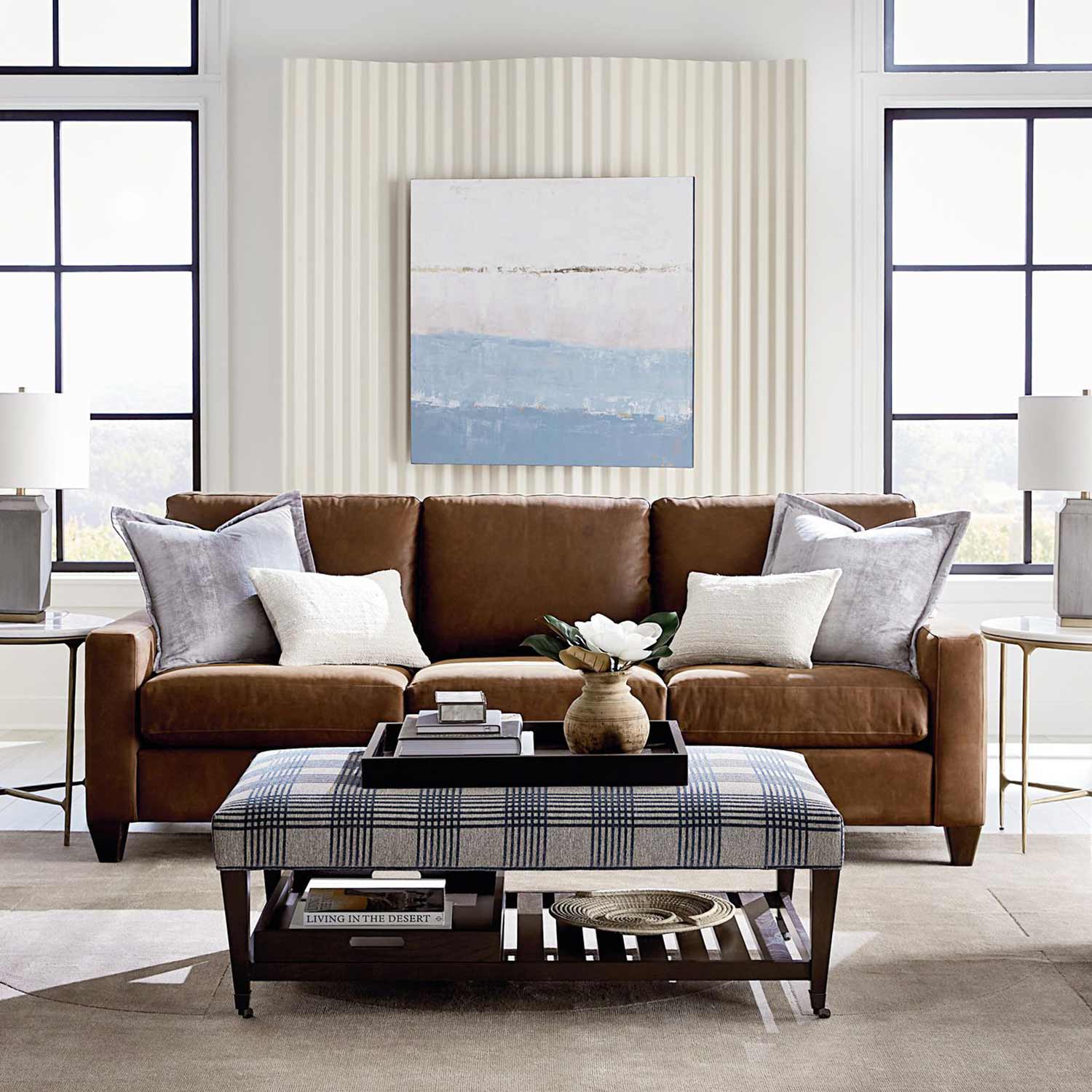
Leather vs Fabric Seating: Which Option Is Right for Your Home?
Choosing between leather and fabric is one of the most important decisions you will make when selecting seating for your home. The material shapes how the piece feels, how it wears over time, and how well it supports your day-to-day routine. At Bassett, we help customers explore material options with confidence, offering thoughtfully crafted pieces that can be customized to fit personal style and everyday needs. If you are exploring leather vs fabric sofa options, the right choice comes down to how you live and what you expect from your furniture over time.
Read more