What Is Ergonomic Furniture
Updated 3/6/2026
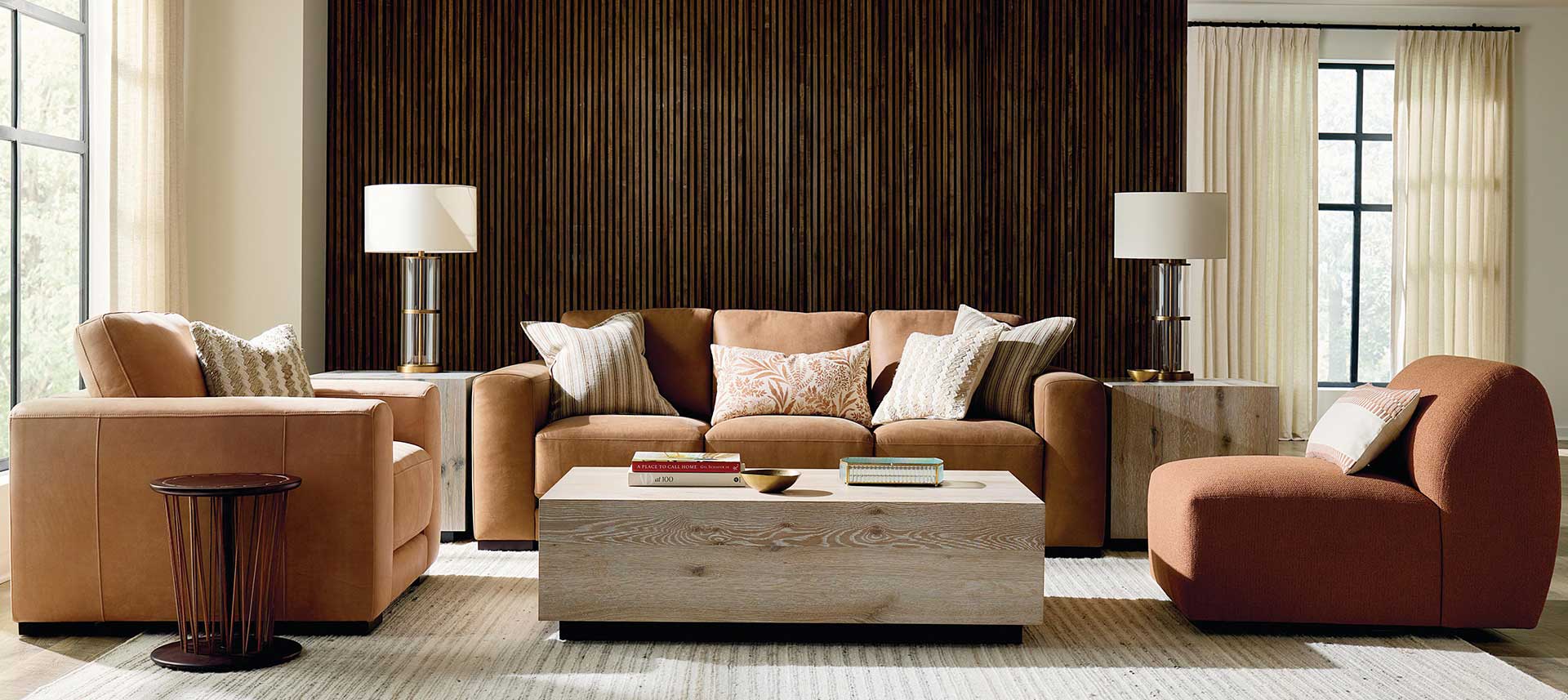
Furniture should do more than fill a room. It should support how you sit, move, and live throughout the day.
That is the idea behind ergonomic furniture. Rather than focusing only on appearance, ergonomic design considers how the body interacts with a piece over time. It is about creating comfort that lasts beyond the first impression.
For many homeowners, the question is not just what ergonomic furniture is, but whether it makes a meaningful difference in daily life. The answer often comes down to how well furniture supports posture, reduces strain, and adapts to the way a space is used.
What Makes Furniture Ergonomic?
Ergonomic furniture is designed to support the body in a natural, balanced position. It helps reduce unnecessary strain while encouraging comfort during everyday use.
This often includes features such as proper seat depth, supportive cushioning, and proportions that align with how people sit and move. The goal is not to force a rigid posture, but to create a sense of ease that can be maintained over time.
From a design perspective, one of the most common issues is scale. A seat that is too deep or too shallow can change how your body is supported, even if the materials are high quality. The same is true for arm height, back angle, and overall proportions.
At Bassett, comfort is not treated as a single feature. It is built into the design of each piece. Scale, structure, and materials are considered together to make sure that furniture feels supportive in a way that reflects how it will actually be used.
Ergonomic design is most successful when it feels natural. When a piece is properly designed, you are less aware of needing to adjust or correct your position because the support is already built in.
After selecting the right furniture, it’s all about finding the perfect accessories to decorate your home, and carefully curating those special ‘finds’ … over time. Nope, there’s no rushing this process. Because what follows—editing and styling—becomes your personal stamp, your signature, and they speak to the way you use lighting, rugs, mirrors and more to set the mood.
Why Ergonomic Design Matters in Everyday Living
The importance of using ergonomic equipment and furniture becomes more noticeable over time. Small discomforts can build gradually, especially in spaces where you spend the most time.
Seating that lacks support can affect posture, while furniture that is not properly scaled may lead to tension or fatigue. Over time, these issues can change how a space feels and how often it is used.
Designers often focus on how a piece performs over extended use, not just how it feels initially. A chair that feels comfortable for a few minutes may not offer the same support after an hour. This is where ergonomic design becomes more than a feature. It becomes part of how the space functions.
When comfort is built into the design, it becomes part of the experience of the home rather than something you have to think about.
Ergonomic Furniture in the Living Room
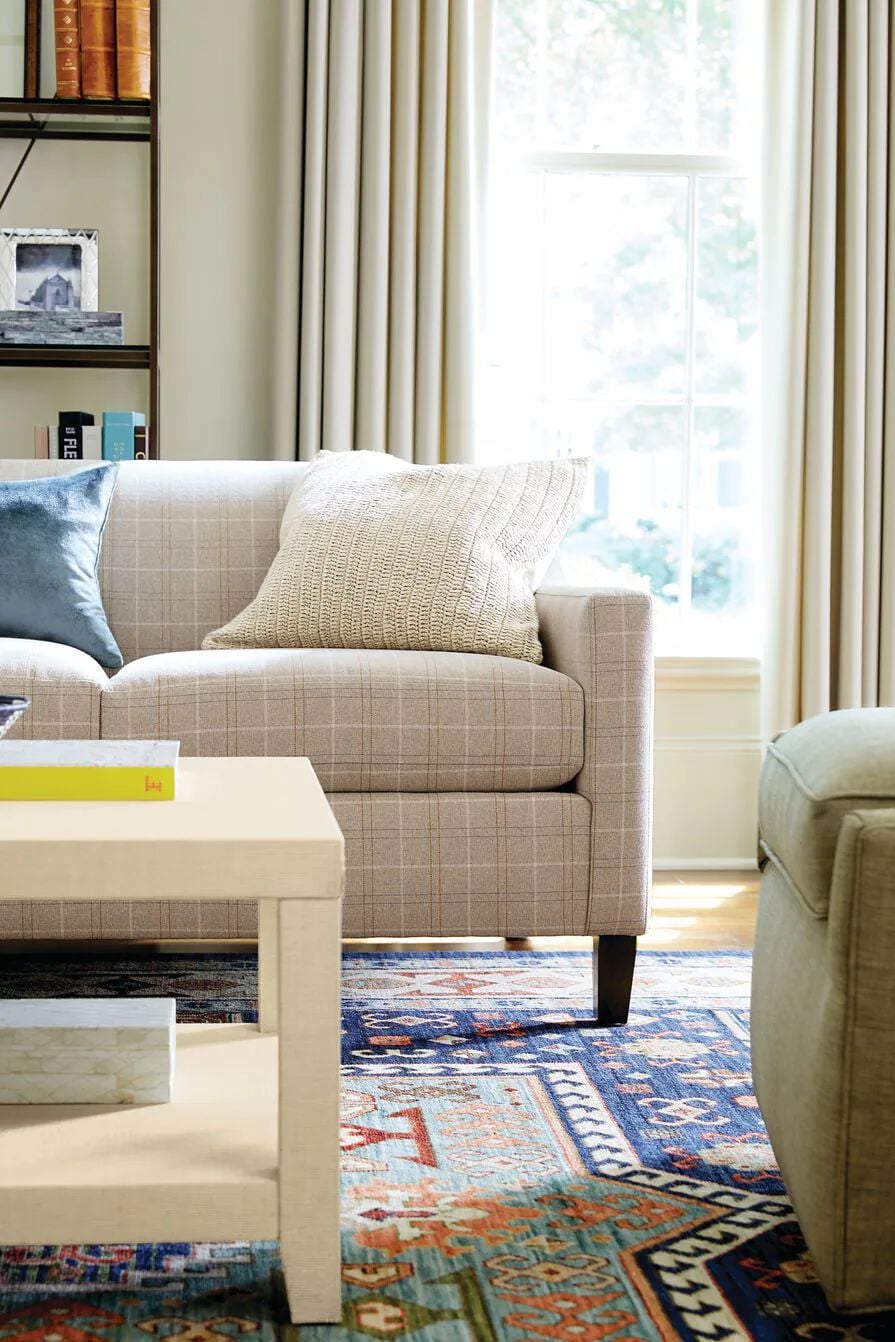
Ergonomic design is not limited to office settings. It plays an important role in how living spaces function day to day.
In a living room, comfort is often defined by how well seating supports extended use. Proper seat height, depth, and cushioning all contribute to how a piece feels over time. Furniture that is too deep, too firm, or not supportive enough can become uncomfortable more quickly than expected.
A common design consideration is how people actually use the space. Some rooms are used for conversation, others for relaxing or watching television. The right seating should support those habits without requiring constant adjustment.
At Bassett, living room furniture is designed with both comfort and proportion in mind. Pieces are created to support a range of sitting positions while maintaining their structure through regular use.
When ergonomic principles are applied thoughtfully, living room furniture remains comfortable and consistent, even with daily use.
What Is Ergonomic Office Furniture?
What is ergonomic office furniture often comes down to how well a workspace supports posture and reduces strain during focused tasks.
This includes seating that supports the back, surfaces that align with natural arm positions, and layouts that allow for comfortable movement throughout the day.
Because work often involves longer periods of sitting, these details become more important. A desk that is slightly too high or a chair that lacks support may not feel like a problem immediately, but over time, it can affect comfort and focus.
An ergonomic workspace should feel balanced and supportive, allowing you to work without distraction. It should also feel consistent with the rest of your home, rather than overly technical or out of place.
How to Choose Ergonomic Office Furniture
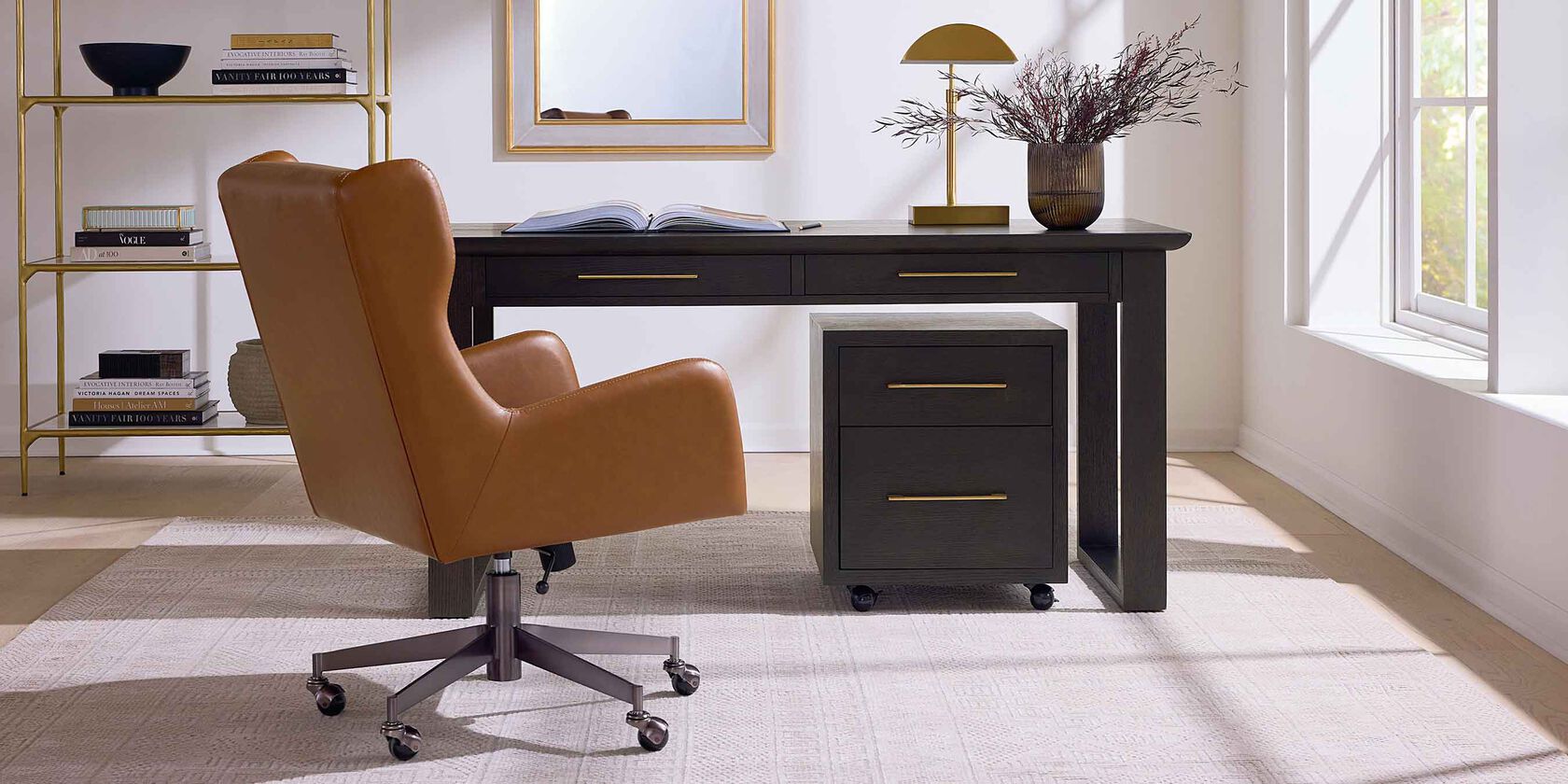
When choosing ergonomic office furniture, it helps to start by considering how you work throughout the day. The goal is to support your routine without overcomplicating the space.
Seating is often the most important element. A well-designed chair should support your back and allow your feet to rest comfortably on the floor. The seat should feel stable without being overly rigid, and the proportions should match your height and posture.
Next, consider surface height and positioning. Desks should allow your arms to rest naturally, without raising or lowering your shoulders. Even small adjustments in height can change how comfortable a workspace feels over time.
Designers also pay close attention to spacing. A workspace that feels cramped or misaligned can lead to tension, even if each individual piece is well-made.
At Bassett, design experts often guide clients through these decisions, helping them create workspaces that feel both functional and in harmony with their homes.
How to Choose Ergonomic Furniture for a Home Office
Understanding how to choose ergonomic furniture for a home office means balancing comfort with the overall design of your space.
A home office should support productivity, but it should also feel integrated with the rest of the home. This makes scale, materials, and layout especially important.
Consider how long you spend in the space and how you move throughout the day. Furniture should support your posture while allowing for flexibility between tasks.
Materials also play a role. Cushions, upholstery, and finishes should maintain their comfort and appearance through regular use. Pieces that wear quickly can affect both comfort and the overall feel of the room.
A well-designed home office supports both function and comfort without feeling separate from the rest of your living environment.
Choosing Furniture That Supports the Way You Live
Ergonomic design is not about adding features. It is about creating furniture that works naturally within your space and your routine.
At Bassett, this approach begins with personalization. Selecting fabrics, finishes, and configurations allows each piece to reflect how it will be used.
Design support also helps make sure that furniture fits both the room and the way you live. Thoughtful planning around scale, layout, and function can prevent common discomforts before they arise.
When furniture is aligned with how you live day to day, it becomes easier to use and more comfortable over time.
Create Furniture Designed Around Your Life
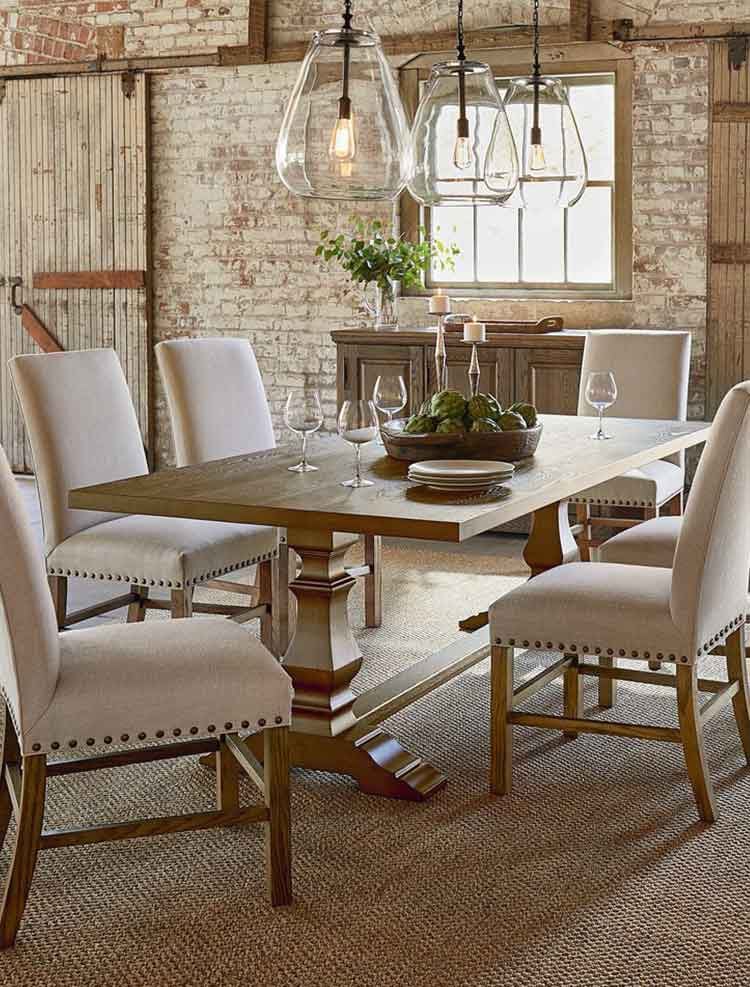
Your home should reflect the way you live. Every room plays a role in how you move, relax, and spend time throughout the day.
At Bassett, furniture is crafted by hand and designed by you. With a wide range of fabrics, finishes, and personalization options, you can create pieces that feel considered and comfortable in your space.
Bassett design experts are available to guide you through each step, helping you choose furniture that supports both your style and your everyday routines.
Discover your personal style, explore furniture crafted with care, and create a home designed for comfort and lasting use.
Frequently Asked Questions
What is ergonomic furniture?
Ergonomic furniture is designed to support the body’s natural posture and reduce strain during everyday use. It focuses on comfort, balance, and long-term support.
What is ergonomic office furniture?
Ergonomic office furniture is designed to improve posture and reduce discomfort during work. This includes supportive seating, properly scaled desks, and layouts that allow for natural movement.
Why is ergonomic furniture important?
Ergonomic furniture helps reduce strain, supports posture, and improves comfort over time. It allows spaces to be used more easily and consistently throughout the day.
How do you choose ergonomic office furniture?
Start with seating that supports your back and allows for natural positioning. Then consider desk height, layout, and how each piece fits your routine and space.
How do you choose ergonomic furniture for a home office?
Focus on comfort, scale, and how the space is used. Furniture should support posture while fitting seamlessly into the overall design of the home.
How Long Should Furniture Last?
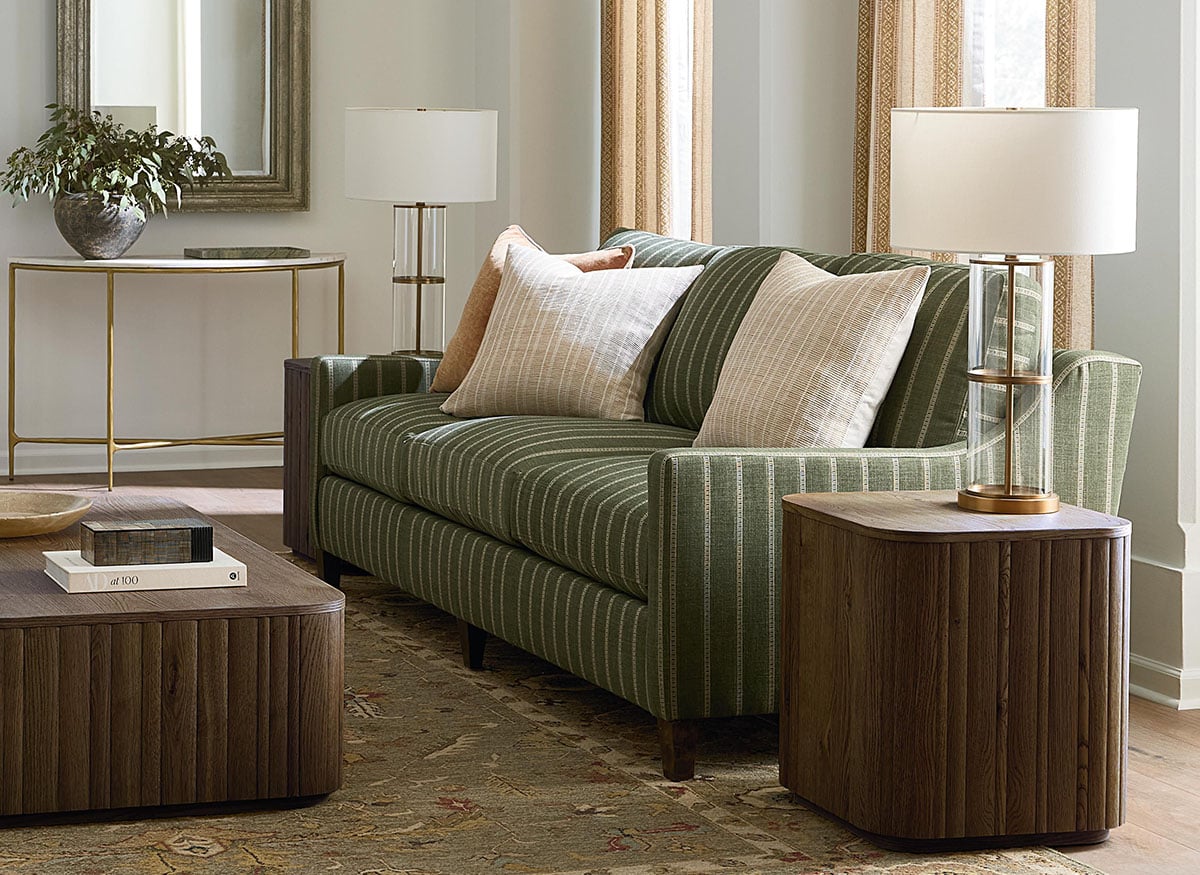
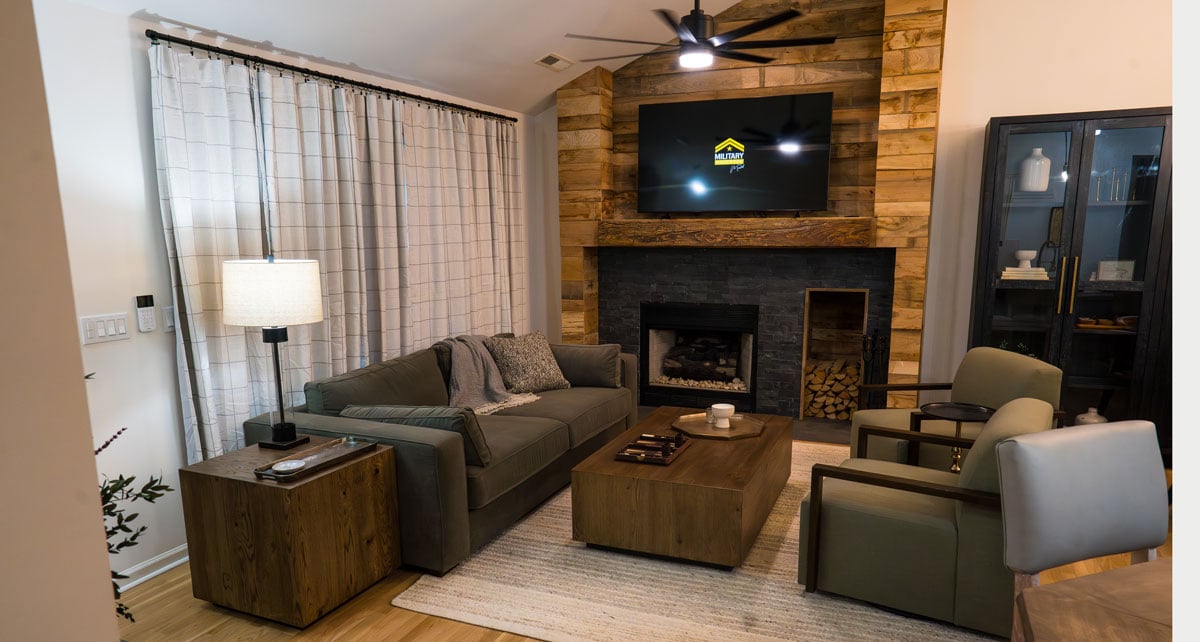
Furniture is not meant to be temporary. The pieces you bring into your home should support daily life, reflect your personal style, and remain comfortable and functional over time. So when people ask how long furniture should last, the better question is what it was designed to do in the first place.
Read more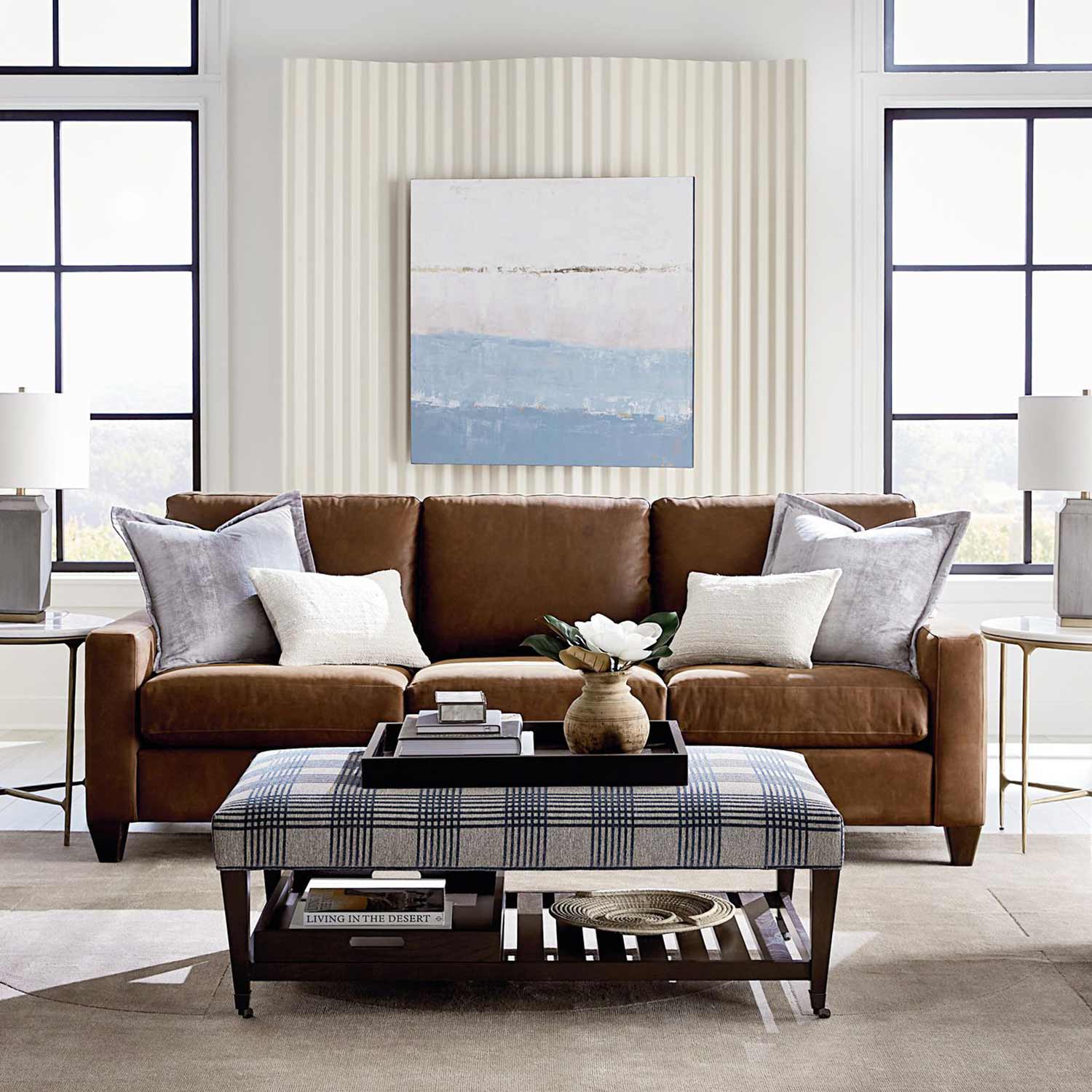
Leather vs Fabric Seating: Which Option Is Right for Your Home?
Choosing between leather and fabric is one of the most important decisions you will make when selecting seating for your home. The material shapes how the piece feels, how it wears over time, and how well it supports your day-to-day routine. At Bassett, we help customers explore material options with confidence, offering thoughtfully crafted pieces that can be customized to fit personal style and everyday needs. If you are exploring leather vs fabric sofa options, the right choice comes down to how you live and what you expect from your furniture over time.
Read more